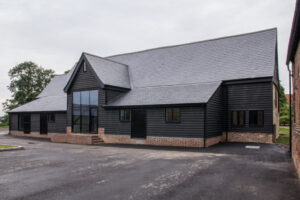
An appeal against the refusal by Somerset Council of a Class Q application to convert two agricultural buildings into dwellings highlights the importance of distinguishing between works that are reasonably necessary for a conversion and works that amount to rebuilding.
The Class Q permitted development right allows not only the change of use of qualifying buildings to dwellings but also building operations that are reasonably necessary to facilitate conversion. These can include the installation or replacement of windows, doors, roofs, exterior walls and services. However, the legislation does not permit complete or substantial rebuilding. Proposals must ensure they remain genuine conversions rather than replacement buildings.
The appeal related to a masonry barn and a steel frame building that were described as somewhat dilapidated. Somerset Council considered the proposed works, which included new walling, alterations to the roof and repairs and replacement materials, would go beyond the scope of a conversion and determined that the proposal fell outside the scope of Class Q.
However, the Planning Inspector reached a different conclusion. Referring to the Hibbitt case, handed down by the High Court, he noted that the key question was whether the buildings were capable of conversion to dwellings without the works effectively resulting in new buildings. The Inspector found that the steel frames and blockwork walls were in reasonable condition and that much of the existing buildings would be retained. He concluded that they were capable of conversion and that, notwithstanding the extent of the proposed works, the proposal fell within the scope of Class Q. The appeal was therefore allowed.
This decision is a useful reminder that there is no simple rule about the amount of work that can be undertaken as part of a conversion. The issue is ultimately one of planning judgement with all relevant factors needing to be weighed in the round having regard to the particular characteristics of the building and the nature and extent of the works proposed. As this appeal demonstrates, local planning authorities do not always get that judgement right.