

Class Q approval
Acorn Rural Property Consultants has successfully obtained planning approval under Class Q permitted development rights for the conversion of a dutch barn to
2017 Countryside Stewardship Now Open
The Countryside Stewardship Mid Tier and Higher Tier scheme for 2017 opened on Friday 10th March. Details of this scheme can be
New RDPE Growth Programme Opens
Defra has just published details of the new RDPE funding that is available to farmers and rural businesses through the Local Enterprise
Planning permission granted
Another good result for a client with a Class Q permitted development rights approval for a barn conversion to a single dwelling. Find
£63,000 countryside stewardship grant secured
Acorn Rural Property Consultants has been successful in securing a Mid Tier Countryside Stewardship scheme grant for a client. The grant is

Government consults on extended Permitted Development Rights
“In February 2016 The Department for Communities and Local Government (DCLG) published a Call for Evidence for the Rural Planning Review seeking

Removal of section 106 agreements
“Section 106 (S106) planning agreements have been used over the years by local planning authorities to prevent farms being sub divided when

Tenant wins claim against crown estate
“In a high profile case reported in the farming press, clients of Acorn Rural Property Consultants have won an important case against
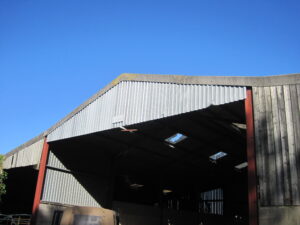
Class Q conversion of steel frame buildings
“The High Court has handed down a significant ruling on whether proposed works necessary to change an agricultural building to a dwelling

Permitted development rights and the 56 day rule
“We have previously discussed the strict time limit that local planning authorities (LPAs) have to determine prior approval applications under permitted development
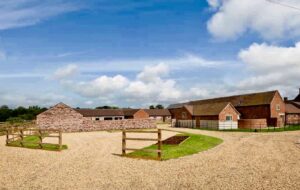
Don’t ‘cock up’ your Class Q Permitted Development Rights
“We have come across a several cases recently where farmers were not aware of the interaction between Class Q Permitted Development Rights

Community infrastructure levy
“The Community Infrastructure Levy (CIL) regulations are a complex area of planning law and can have a significant impact on development costs